
Upcoming Live
Indigenous Perspectives on Public Health & Wellness
with
Denisa Livingston
Diné Food Justice & Community Health Advocate Educator
Overview
In this 3-week course, we will widen our collective understanding to steward the way forward in healing our communities, with a special focus on Indigenous communities. We will explore strategies to decolonize and Indigenize our foodways and lifeways through community advocacy and policy innovation.
This will be an intentional space for learning the applications of collective investment and collective responsibility towards practicing our Indigenous autonomy and agency for healthy communities and for future generations.
Although this class is designed for Indigenous students and audience, non-Natives are more than welcome to sit in and learn and enjoy. These lessons will be applicable to all communities because we have all been colonized in some way at some point and we all need space to heal.
In this course, we will:
Learn about Indigenous wellbeing frameworks centered in identity, culture, and collective stewardship.
Explore innovative strategies to address tribal health, including but not limited to the sustainability of Indigenous food systems.
Discuss approaches to decolonization, solidarity, and Indigenization in public health research and practice.
Course Logistics
This course takes place via Zoom on Sundays: June 7, 14, & 21
We meet from 9-11AM Pacific Time (time zone converter)
There will be recordings for classes you miss!
Cost: Free, or Pay-What-You-Wish
There is a suggested $40-$60 donation for course access but NO ONE will be turned away for lack of funds!
100% of net proceeds from ReHuman tuition is invested in Indigenous led ecological restoration projects, with $22,000 invested in bison restoration and $10,000 donated to a community-led project documenting the stories of Mẽbêngôkre Elders in the Brazilian Amazon.
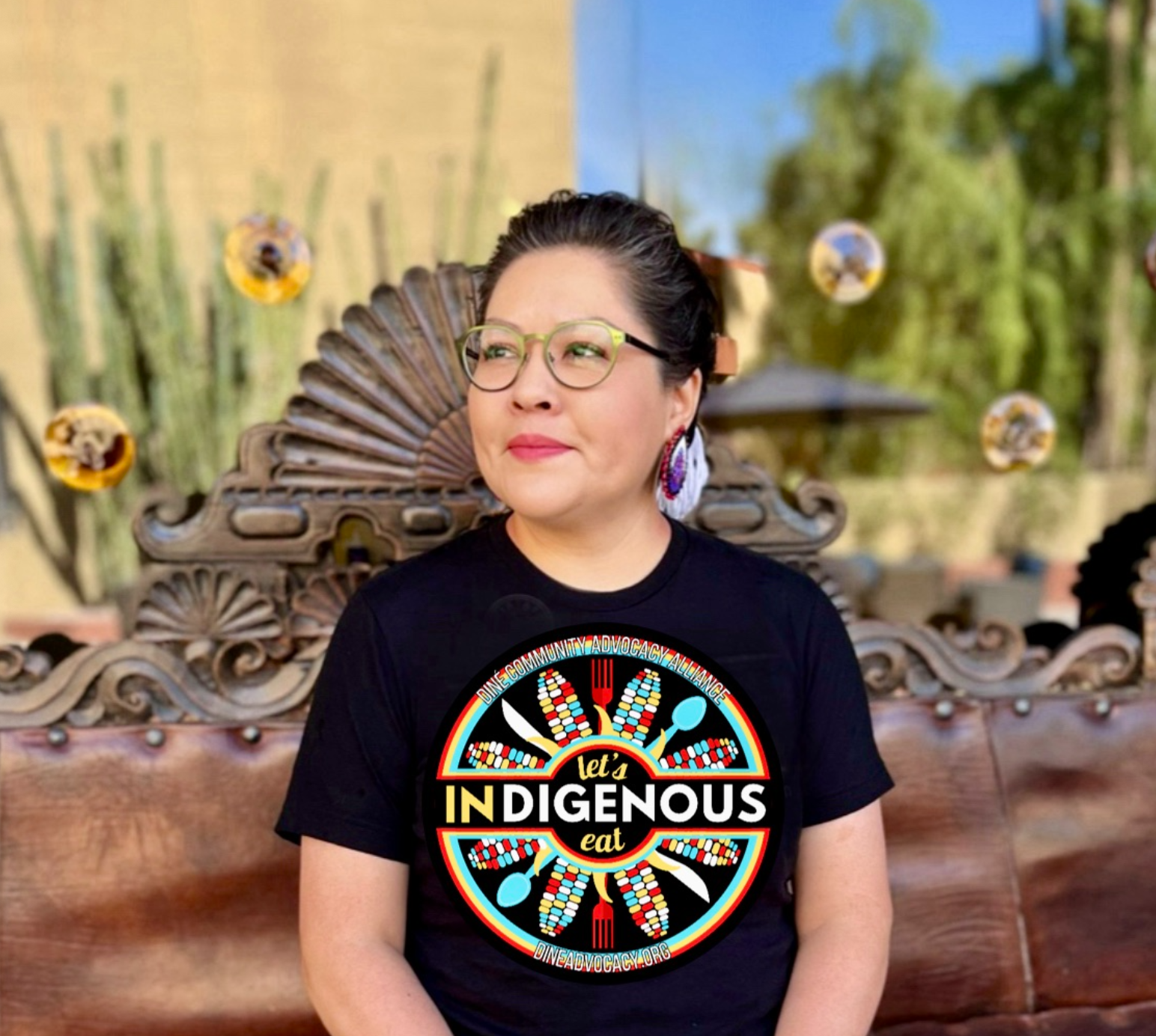
Denisa Livingston, M.P.H., M.L.S.
is an unapologetic Diné Indigenous food justice organizer, Indigenous public health systems consultant, multi-epistemic researcher, heirloom food grower and Native seed steward. Denisa is a graduate from the University of Oklahoma, College of Law, Indigenous Peoples Law program. She holds a Master of Public Health degree from the University of Nevada, Las Vegas (UNLV). She completed a 2023-2024 Tribal Data Champion Fellowship at the University of New Mexico. She served five years as an elected Slow Food International Indigenous Councilor of the Global North from 2017-2022 and four years as a member of the advisory board of the Slow Food Indigenous Peoples international network - Indigenous Terra Madre.
She is committed to addressing food apartheid and nutritional trauma in Indigenous communities while addressing the invisibility of Indigenous Peoples by reclaiming Native truth and bringing awareness to the disparities and inequities in Indian Country caused by colonization, systemic racism, patriarchal oppression, and perpetual injustices.
Denisa has been a legislative speaker and community health advocate for the Diné Community Advocacy Alliance (DCAA) for over a decade. DCAA have been globally recognized for the successful passage of several laws, the first of its kind: Elimination of Tax on Healthy Foods with an emphasis on Indigenous foods, the Healthy Diné Nation Act of 2014 or Unhealthy Foods Tax, and a tax revenue allocation for Community Wellness Projects for all 110 Navajo Chapters. Denisa also teaches how to prepare and cook heirloom Indigenous foods for the students at the Indigenous Food and Agriculture Initiative Youth Summit at the University of Arkansas School of Law. She is a contributor of the “Recipes from Turtle Island”, the book "The Slow Lane: Why Quick Fixes Fail And How To Achieve Real Change", a contributor of the award-winning anthology "Food Sovereignty in the United States: Restoring Cultural Knowledge, Protecting Environments, and Regaining Health" and of the book "Unfinished conversations: On democracy, race, the economy, and a path forward".
The work and efforts of Denisa focus on servant leadership, taste education, growing traditional Indigenous foods, gastronomy, creating new roles for society, and bridging community members to purpose and innovation. Follow DCAA and Denisa @DineAdvocacy and @PrincesseDenisa
Learning Journey
-
In Module 1, we will learn about the history of Diné foodways and lifeways that still impact current realities and lifestyles in the southwest United States. We will also hear about the impact of colonized food systems and current interventions.
-
Join us as we dive into grassroots community efforts addressing colonized food systems. We will also learn about the sustainability of the "Healthy Diné Nation Act of 2014", Community Wellness Projects, and current priorities.
-
In Module 3, we will cover innovative strategies of decolonizing solidarity towards tribal healthy communities. Lastly, we will learn about approaches to Indigenizing, and building solidarity centering on Indigenous ways of knowing